12 Dental Myths: What Is the Truth?
Dentistry as a medical specialty has undergone significant advances over recent decades. Nevertheless, numerous misconceptions and misunderstandings persist in public awareness, complicating patients' daily lives and the work of dental professionals. In this article, we examine and address the most widespread myths from the perspective of the dental profession.
Myth 1: Scaling damages tooth enamel
Scaling (debridement) is an extremely important preventive and therapeutic procedure that does not damage tooth enamel when performed by a qualified professional. During scaling, hardened calculus deposits — which can cause inflammation and periodontal disease — are removed using ultrasonic devices or hand instruments. Modern ultrasonic instruments operate at frequencies that remove calculus gently yet effectively, while preserving the integrity of the enamel surface.
Myth 2: Fluoride use should be avoided
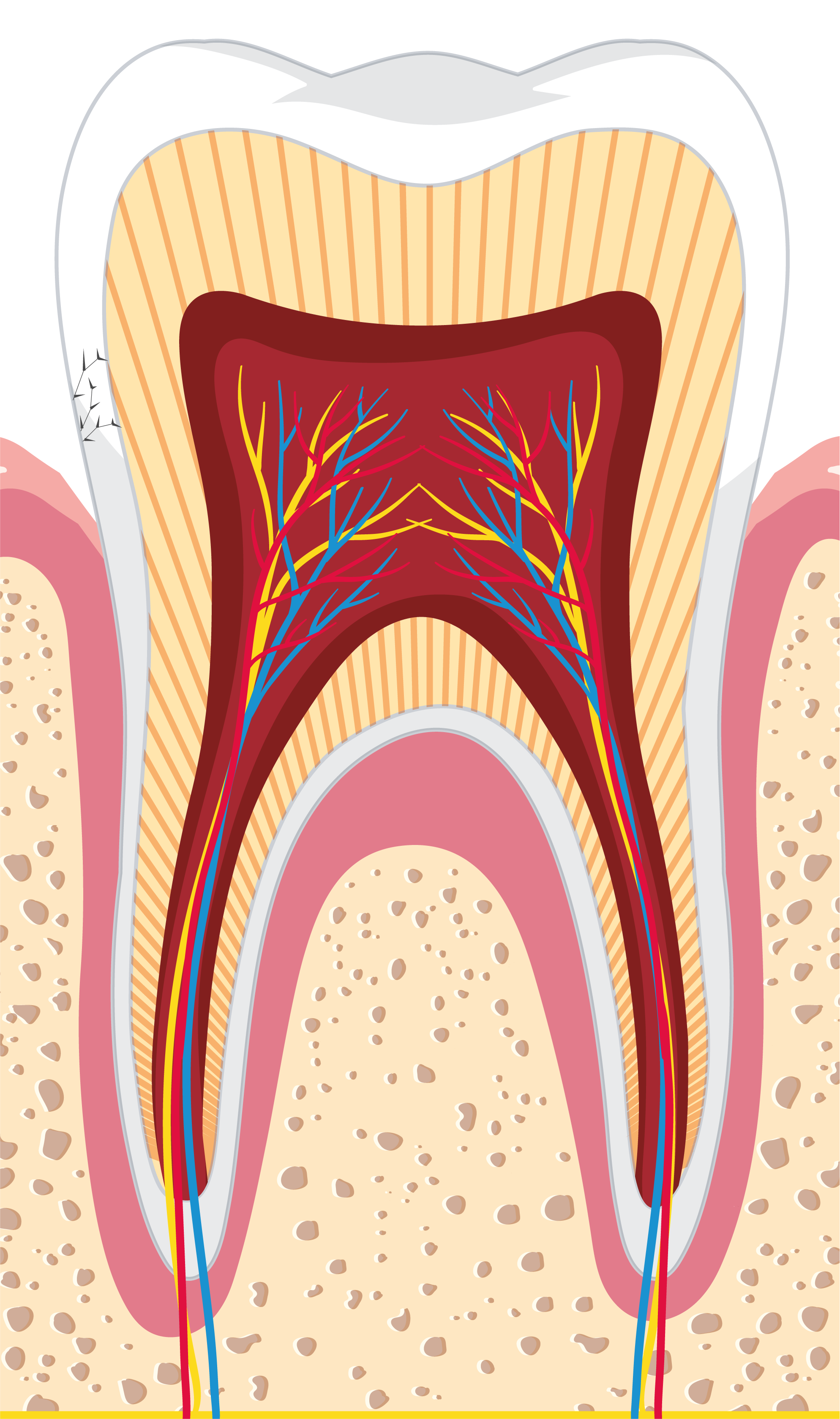
The use of fluoride is one of the most effective means of preventing tooth decay. Fluoride strengthens tooth enamel, making it more resistant to bacterial attacks, and reduces the harmful effects of acids produced during carbohydrate breakdown in the oral cavity — effects that no other chemical agent currently known can replicate. Fluoride applied in appropriate amounts is safe; numerous clinical studies have confirmed its positive impact. That said, excessive fluoride intake (fluorosis) can be harmful, which is why correct dosing is essential, particularly in childhood. Fluoride-containing toothpaste, mouthwash, and the fluoride gel applied during dental treatments are safe when used as directed.
Myth 3: Laser tooth whitening is completely risk-free
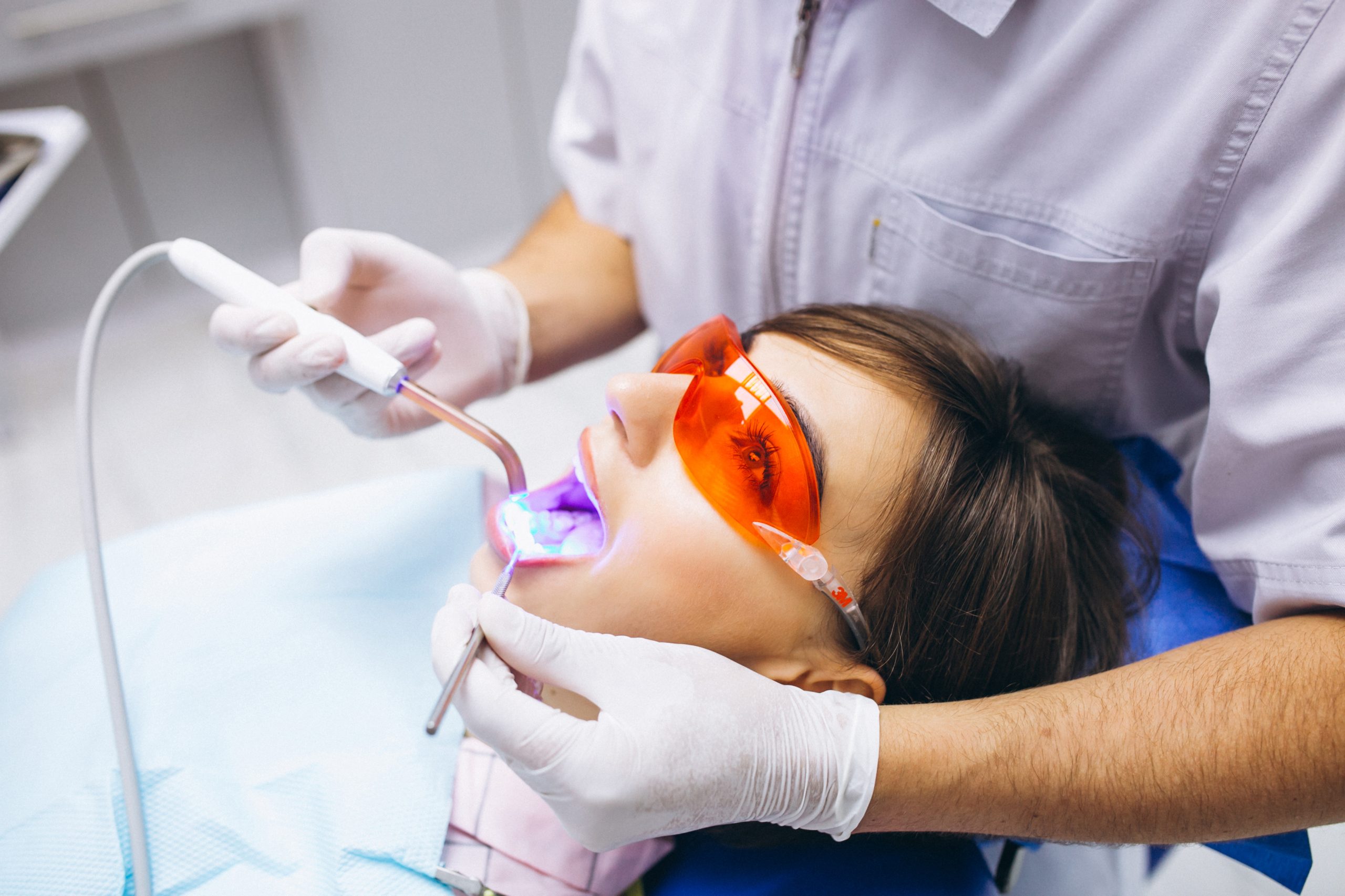
Laser tooth whitening offers effective and rapid results; however, this procedure is not entirely without risk. The heat and light used during treatment can increase tooth sensitivity, and if not applied correctly, may damage the enamel or gingival tissue. Patients should carefully weigh the potential benefits and risks, and it is advisable to entrust the treatment to a qualified professional in order to avoid possible complications.
Myth 4: Sugar-free foods and beverages do not harm teeth
While sugar-free foods and beverages can indeed reduce the risk of tooth decay, they are not necessarily harmless to teeth. Many sugar-free products contain acidic components that can erode tooth enamel, especially when consumed frequently. It is therefore important that patients consider not only the sugar content but also the acidity of foods and beverages when maintaining good oral hygiene.
Myth 5: An electric toothbrush is far superior to a manual one
Electric toothbrushes offer several advantages — for example, they are easier to use and many models feature a built-in timer that ensures adequate brushing time. However, manual toothbrushes can be equally effective when used correctly. The key factor is that the patient applies proper technique and devotes sufficient time to brushing, regardless of whether they use an electric or manual toothbrush.

Myth 6: The amount of toothpaste affects the
effectiveness of brushing
Effective tooth brushing does not require a large amount of toothpaste. The most important factors during brushing are proper technique and thorough cleaning of all tooth surfaces. Using too much toothpaste increases foaming but does not improve cleaning effectiveness; in fact, it can make thorough cleaning more difficult because the excess foam reduces visibility of areas that still require attention.
Myth 7: Using a high-quality toothbrush makes
dental floss unnecessary
A toothbrush alone cannot remove the plaque and food debris between teeth that dental floss effectively reaches. Even the highest-quality toothbrushes cannot completely clean the interproximal spaces, where bacteria can accumulate readily and cause tooth decay or gingival inflammation. The use of dental floss must be an indispensable part of the daily oral hygiene routine, as it is instrumental in preventing the development of dental and periodontal disease.
Myth 8: Oral irrigators are recommended for everyone
Oral irrigators can be useful today, but they are not necessarily required for every patient. For many people, conventional brushing and flossing is sufficient, while for others — such as those wearing orthodontic appliances, implants, or prostheses, or those managing periodontal disease — these devices can be particularly beneficial. When used correctly, an oral irrigator will not harm the gingival tissue. Most oral irrigator devices allow the water pressure to be adjusted, so a gentler, less intense setting can be selected that cleans the gums gently without causing damage. However, if the device is set to excessive pressure or is used with improper technique, it may irritate the gums — especially if the gingival tissue is already inflamed or sensitive. It is important that patients follow the manufacturer's instructions and consult their dentist regarding correct use in order to avoid potential complications.
Myth 9: Mouthwash use causes oral cancer
Opinions among dental professionals are divided on the subject of mouthwashes. Some regard them as a useful adjunct, while others advise against relying on them excessively, as they do not replace fundamental oral hygiene practices such as brushing and flossing. Although certain mouthwashes — for example, antibacterial or fluoride-containing formulations — can help prevent dental problems, professionals agree that their use should not be taken to excess, particularly in the case of alcohol-containing preparations.

Earlier research findings indicate that mouthwash use alone has not been proven to cause oral cancer. However, Australian studies have raised the possibility that long-term, regular use of alcohol-containing mouthwashes may be associated with an increased risk of oral cancer. Professor McCullough of the Australian Dental Association and the University of Melbourne stated that alcohol-containing mouthwashes should be removed from shop shelves, or at least made available by prescription only. The professor based this statement on an international study in which 3,210 individuals used mouthwash on a daily basis.
Among the study participants, it was established that multiple daily uses of alcohol-containing preparations represent a significant risk factor in the development of oral cancer. In a separate domestic study, researchers at Semmelweis University examined the effects of mouthwashes and their base compounds on healthy gingival epithelial cells under laboratory conditions. The study revealed that certain mouthwash compounds applied at high concentrations over extended periods may exert toxic effects. Hyperpure chlorine dioxide proved to be the safest option, while mouthwashes containing chlorhexidine and cetylpyridinium chloride caused significant cellular damage.
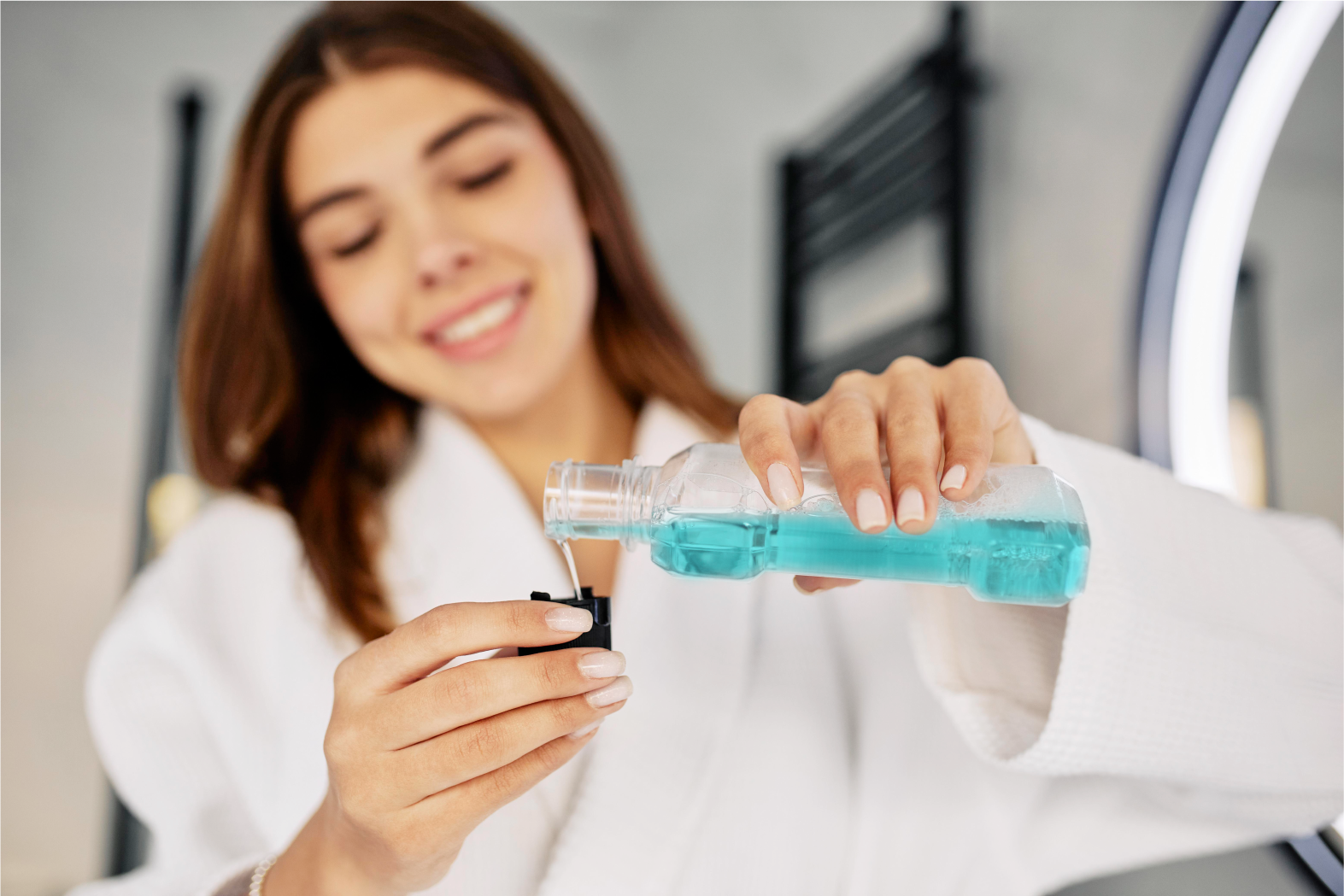
Taking the available research findings into account, researchers recommend that mouthwashes be used only as directed and in consultation with a dentist, with particular preference given to alcohol-free formulations. Anyone concerned about the potential risks of alcohol-containing mouthwashes would be well advised to choose an alcohol-free alternative.
Myth 10: Peri-implant bone loss is always attributable to poor
implant placement technique
Although implant placement technique plays a pivotal role in the long-term success of implants, peri-implantitis and peri-implant bone loss cannot always be traced back to a technical error. Bone loss may be caused by numerous factors, including inadequate oral hygiene on the part of the patient, smoking, various systemic diseases (such as diabetes mellitus), or overloading of the prosthetic restoration. Careful monitoring of the peri-implant environment and early intervention are critical to the prevention and management of peri-implantitis.
Myth 11: Oral antibiotics are the best method for treating
periodontal disease
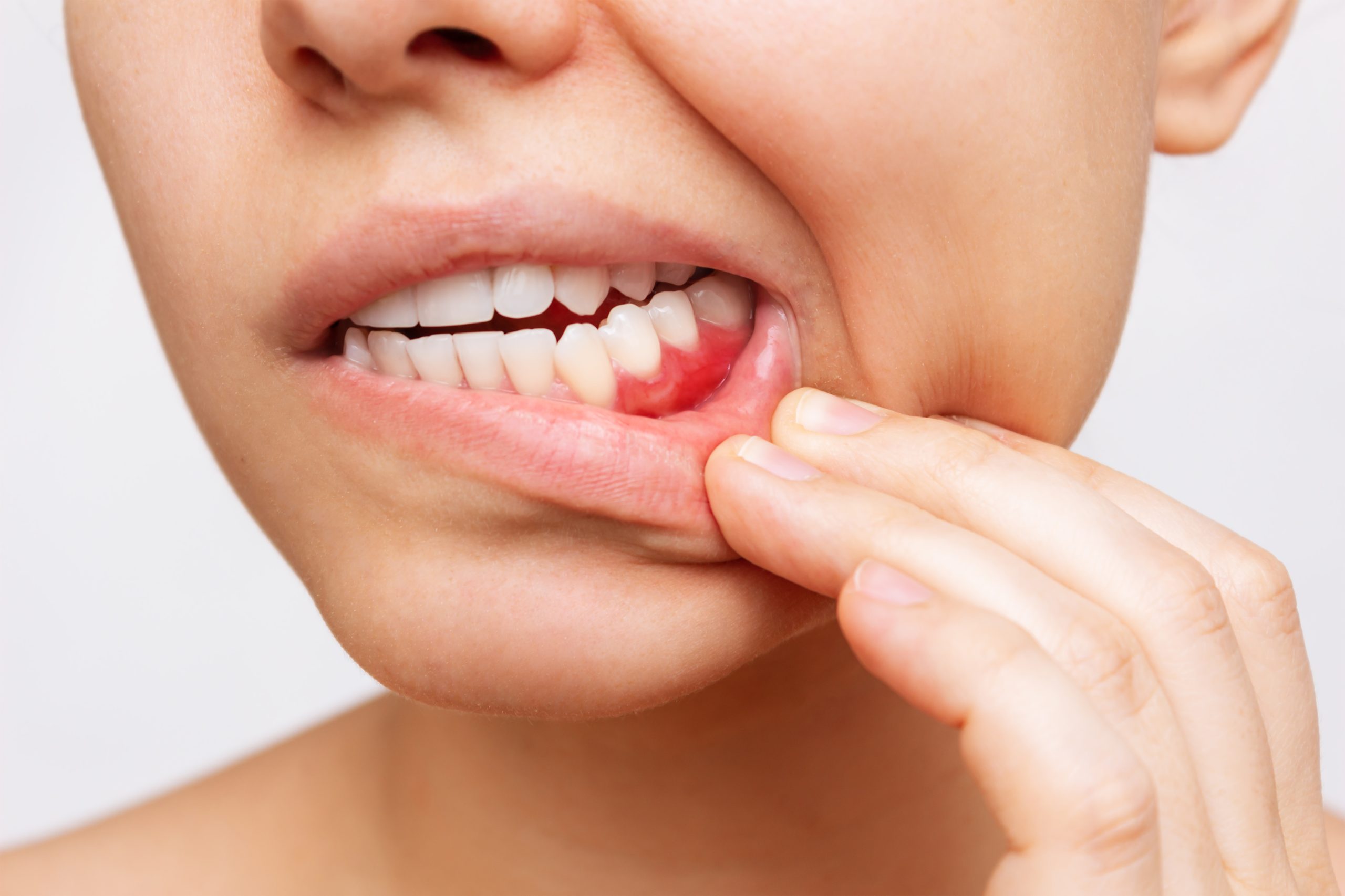
Oral antibiotics can indeed assist in the treatment of periodontal disease; however, they cannot replace mechanical debridement, scaling, and regular dental check-ups. Oral antibiotics may be effective in reducing bacterial infection, but they alone are unable to remove the plaque and calculus that cause periodontal disease. Inappropriate or excessive antibiotic use can lead to antibiotic resistance, which may complicate the treatment of subsequent bacterial infections and give rise to more serious health problems.
Myth 12: Digital impression-taking completely replaces traditional
impression methods
Digital impression-taking is a modern, accurate, and convenient method that in many cases is faster and involves less discomfort than conventional impression-taking. However, it is not the ideal solution in every clinical situation. In certain cases, conventional impression-taking allows more detailed and more precise results to be achieved. Clinicians must carefully consider when the use of digital technology is appropriate and when conventional impression methods are indicated.
Article information
- Author | Hajdú József
- Date | 2024.08.02
- URL | www.bionika.hu