Beyond Borders for the Perfect Smile
The new dimensions of the dentist-patient relationship in the world of dental tourism
e-BIONIKA News
The dentist-patient relationship is built on mutual trust, communication, and cooperation between the dentist and the patient. This relationship plays a pivotal role in the success of dental treatments and patient satisfaction. In this article, we explore domestic dental tourism and the importance of the dentist-patient relationship.
The importance of the dentist-patient relationship in dental tourism
According to the article, most patients consider the following factors first when choosing dental care abroad:
- The cost of treatment,
- The quality of dental equipment and the clinic's facilities,
- The dental practice's experience and references,
- The reliability of customer service,
- Feedback and reviews (on various platforms).
For international patients, one of the greatest attractions of dental tourism is the cost difference. Lower labour costs and more favourable prices allow patients to receive excellent-quality dental care at a significantly lower expenditure. You can further enhance this competitive advantage by working with high-quality yet cost-effective dental instruments such as BIONIKA products. Learn more about our DentElit programme and enjoy the benefits it brings.
According to the article "Dental Tourism: What Patients Need to Know", a patient must weigh numerous factors before undertaking dental treatment, especially if that treatment is to take place outside their home country. Hungary is recognised as an outstanding dental tourism destination due to its excellent quality of care and affordable prices. Our small country is renowned for its talented professionals and modern clinics, which provide high-standard services.
The golden card of implantology — available to international patients too.
Source: traveldental.hu — BIONIKA's dental tourism website
Dental tourism from the professionals' perspective
In recent years dental tourism has grown increasingly popular, yet it does not guarantee the expected benefits and convenience for everyone. While the lower costs and high standard of care present an attractive opportunity, dental tourism can also come with a number of drawbacks and challenges.
Hidden costs and cumbersome aftercare
Travelling abroad and booking accommodation can place a financial and logistical burden on patients. If a patient receives dental treatment in another country, arranging follow-up care and managing any complications can be difficult. Routine check-ups, necessary adjustments, or implant maintenance are often only available to a limited degree if the patient cannot return frequently to the treating country.
Unfavourable social and economic effects
The potential social and economic impacts of dental tourism should not be overlooked. The popularity of dental tourism is growing in other countries as well, and this can affect local dental services and the people living there. Local patients' access to dental services may become more restricted, and the revenue generated by dental tourism does not always flow back into the local economy.
Language and cultural differences
An unfamiliar environment and language barriers can also make it more difficult for dental tourists to receive care. Communication challenges may arise in achieving precise and effective communication with the dentist if the patient does not speak the language of the given country. This can affect the diagnosis, treatment planning, and the patient's understanding of available treatment options, which in turn may have a negative impact on the outcome and patient satisfaction. This brings us to the central question of this article. Since so many people are concerned about communication and the patient-dentist relationship, we investigated whether such a relationship is truly necessary in dental tourism.
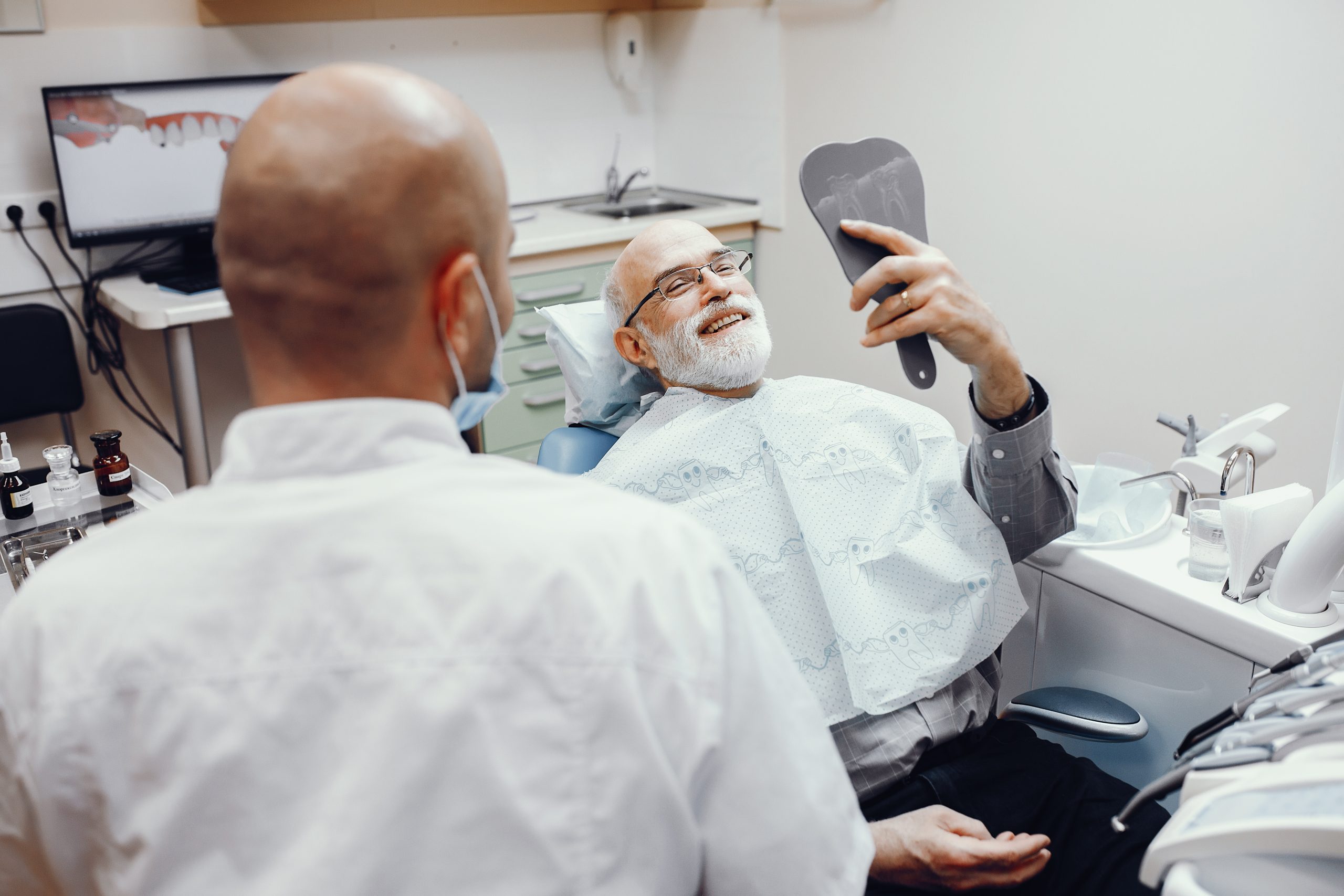
The barriers of distance in the patient-dentist relationship
Building adequate trust
The dentist-patient relationship plays a key role in ensuring successful treatment and a positive experience. Building sufficient trust requires thorough patient education about treatment options, expected outcomes, and potential costs. Transparency and honest communication help patients make informed decisions and feel safe throughout their care. Since communication often takes place online, it is worth providing more informative content on your website and social media pages to reduce uncertainty.
Effective communication
Another important element of the dentist-patient relationship is effective communication. Since patients often come from different cultural backgrounds and speak different languages (and may have only a limited command of English), it is essential that dentists possess appropriate communication skills. This includes the ability to speak a foreign language or the use of interpreter services. An accurate diagnosis and a clear understanding of the treatment plan are indispensable for successful outcomes and patient satisfaction.
Adequate empathy and collaboration
Empathy and collaboration are also important in the dentist-patient relationship. Patients receiving medical care often feel vulnerable, and discomfort or even anxiety following a procedure is not uncommon. Even a few kind words can already make a significant difference.
Quality and safety are key considerations in dental tourism. Patients must thoroughly research the dental healthcare providers and services available in their chosen country, including their accreditation and the information accessible about them. They should look into references and reviews, and speak with those who have already undergone dental treatment in that country or at that practice. By doing so, they can minimise potential inconvenience.
Professionals and dental practices need to dedicate time and effort to establishing and maintaining the dentist-patient relationship in dental tourism as well — even across thousands of kilometres, virtually, through text, images, and video. This investment can pay off in multiple ways. First, a strong dentist-patient relationship contributes to a positive reputation, which is indispensable not only for patient satisfaction and long-term loyalty but also for driving visits. Satisfied patients willingly recommend their dentist and practice to others, helping to capture an even larger share of the dental tourism market. Moreover, as we discussed in a previous article, building trust also helps to reduce anxiety in patients who seek your care.
Official regulation reinforces this
In 2007, the CED (Council of European Dentists) decided that patients have the right to choose their own treating dentist in the field of dentistry as well, taking into account that this guarantees their autonomy, freedom of choice, and respect for their dignity. Nevertheless, there are numerous marketing tools and practices that can be used to convince international patients to choose the services of your dental practice.
We would be delighted to be your partner in this. Contact us and, with our tailored marketing solutions and the collaboration we build together, we will deliver a steady stream of international patients to your door!
Send us an email today so that together we can craft your new, even more effective dental care marketing strategy.
Sources used in writing this article:
- Conti, A., Delbon, P., Laffranchi, L., & Paganelli, C. (2014). What about the dentist—patient relationship in dental tourism? Journal of Medical Ethics, 40(3), 209–210. http://www.jstor.org/stable/43282959
- Bda.org. (2019). Dental tourism: Patients need to know the risks. [online] Available at: https://bda.org/news-centre/latest-news-articles/Pages/dental-tourism-patients-need-to-know-the-risks-.aspx
- Meza Dental Care (2021). 4 Things to Consider when Choosing a Clinic for Dental Tourism. [online] Meza Dental Care. Available at: https://mezadentalcare.com/dental-tourism/4-things-consider-choosing-clinic-dental-tourism/
Article information
- Author | Hajdú József
- Date | 2022.05.08
- URL | www.bionika.hu