Hygiene in Dental Practices
Studies and Interesting Facts
e-BIONIKA News
Hygiene in dental practices is a topic that concerns not only dentists and patients but also regulatory bodies and the scientific community. Fabiani L, Mosca G, Giuliani AR. (2006) conducted a study on hygiene in dental offices long before the emergence of COVID.
We report on this study, hygiene-related issues, and further points of interest in our weekly e-BIONIKA newsletter!
Of the 127 professionals contacted, 108 (85%) agreed to participate in the research by Fabiani and colleagues. Only 24% rated their knowledge of infections and the associated risks as good. Based on the responses, the majority of dentists (57%) were most concerned about HBV as the primary infectious agent, even when they had been vaccinated against it. The study also revealed that dentists frequently still do not change their gowns or wash their hands between patient treatments, despite using disposable gloves, caps, and masks. However, the sterilisation of dental instruments appears to be considerably more effective: 97% of respondents use autoclave sterilisation, and 76% regularly send their instruments for efficacy testing. In summary, despite a generally sound structural and organisational framework, continuous training remains necessary to prevent cross-contamination.
Hygiene in Dental Practices – The Fabiani et al. Study
Hygiene and Disinfection
In a dental practice, cleaning and disinfecting the environment, workspaces, and equipment is of fundamental importance to ensure the safety of both healthcare professionals and patients. The biological risk arises from the presence of a wide range of microorganisms — various bacteria, cells, and viruses — that can contaminate the air, water, and work surfaces. The primary task in establishing and maintaining proper hygiene is to keep bacterial counts under control, thereby managing the risk of infection.
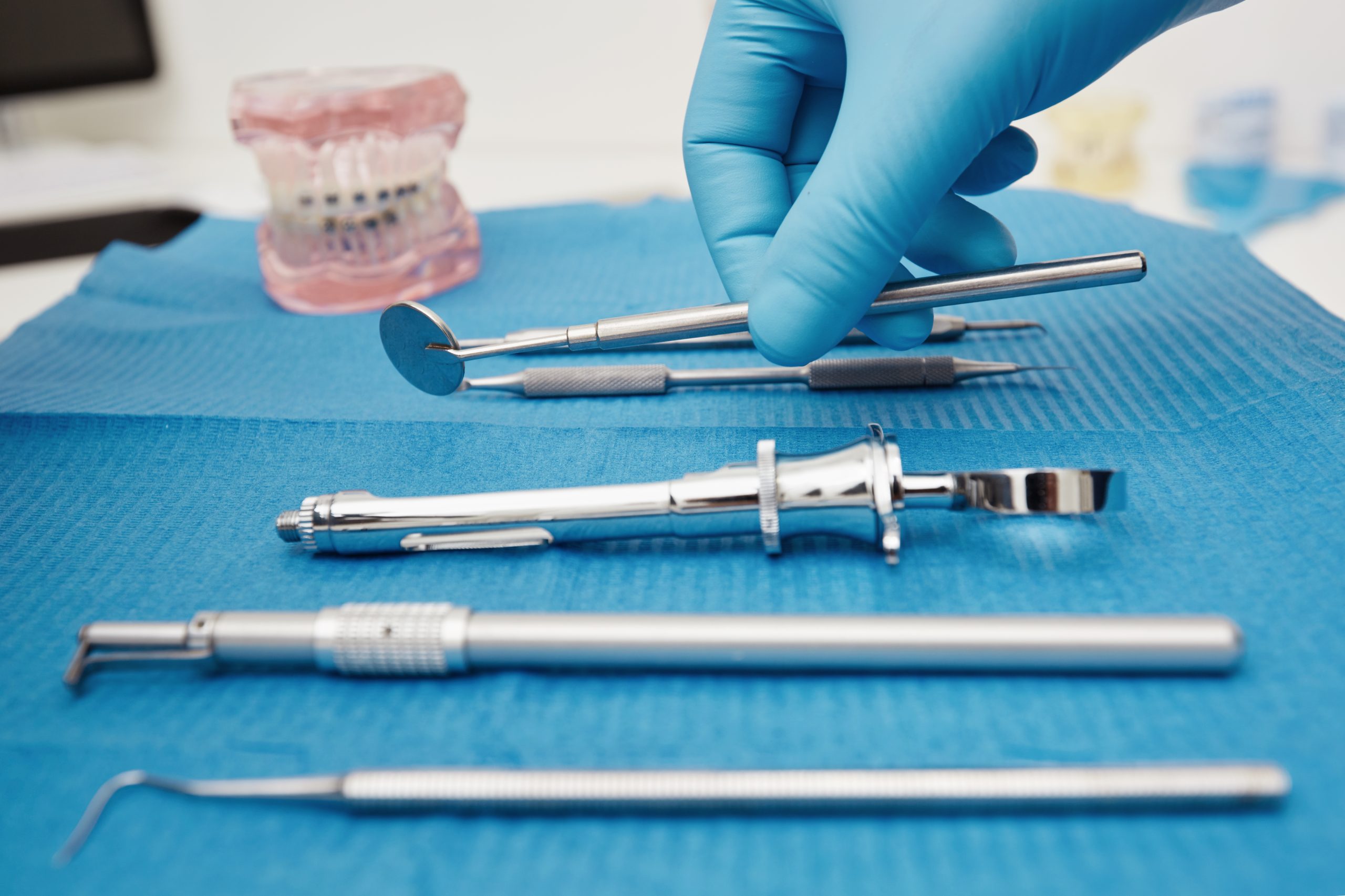
Dentists and their assistants must carry out thorough cleaning activities using appropriate disinfectant solutions and cleaning agents. These activities must cover the following areas:
Surface and workspace disinfection in the dental practice
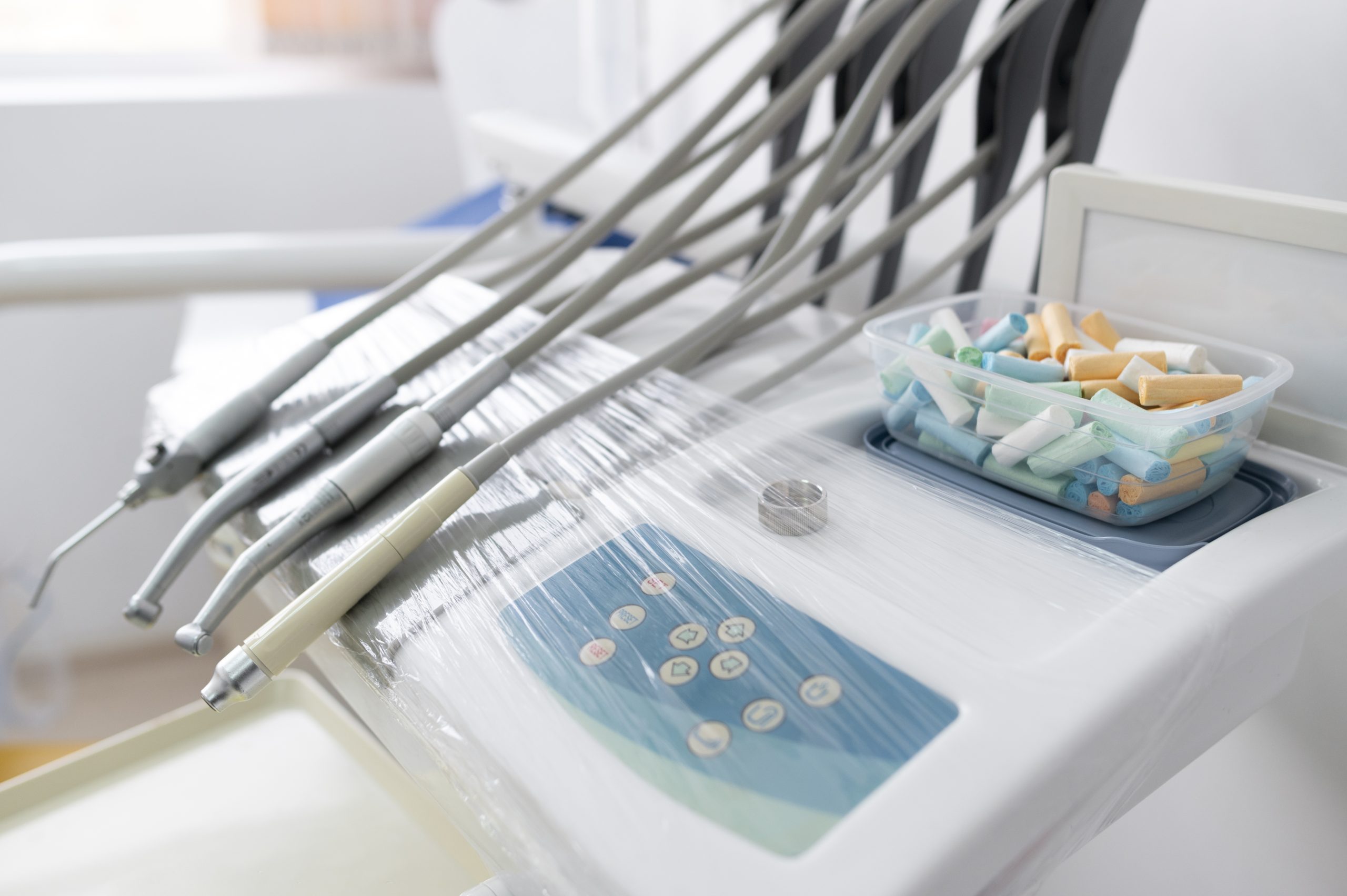
To minimise biological contamination, surface disinfection after each treatment is essential during dental procedures. High-speed rotating instruments and air-water sprays can release infectious microparticles into the air; therefore, covering the areas within the splash and aerosol radius with transparent protective film helps to reduce environmental contamination. The use of high-speed suction devices and rubber dams, where possible, further reduces the risk. Before commencing treatment, ensure that all necessary items are within easy reach to avoid unnecessary contamination.
Equipment disinfection in the dental practice
To ensure adequate disinfection, dental instruments that cannot be sterilised or replaced must be cleaned with an alcohol-based disinfectant. The process involves a wet-dry procedure: first wipe with a damp disposable cloth, then dry with a second disposable cloth.
The following areas must be disinfected:
- The headrest of the dental chair
- The keyboard of the dental unit
- The treatment light handles on the dental unit
- The light switches on the dental unit
- The X-ray equipment and its control panel
Where possible, it is recommended to cover these devices with transparent protective film and to replace and disinfect it between patients.
Disinfection of the dental unit and water supply system
To reduce the bacterial load in the dental unit and water supply system, a number of routine measures are recommended:
- If the water supply system does not have an internal disinfection system, run the turbine for at least 20 seconds between patients to flush out any potentially contaminated water.
- Use intraoral, autoclavable, or disposable instruments.
- At the start of the working day, flush all water from the system to prevent water stagnation and the development of unwanted microbial flora during extended breaks between procedures.
- Regularly replace aspiration tubing, aspirator tips, and cuspidor plugs.
Environmental Disinfection in the Dental Practice
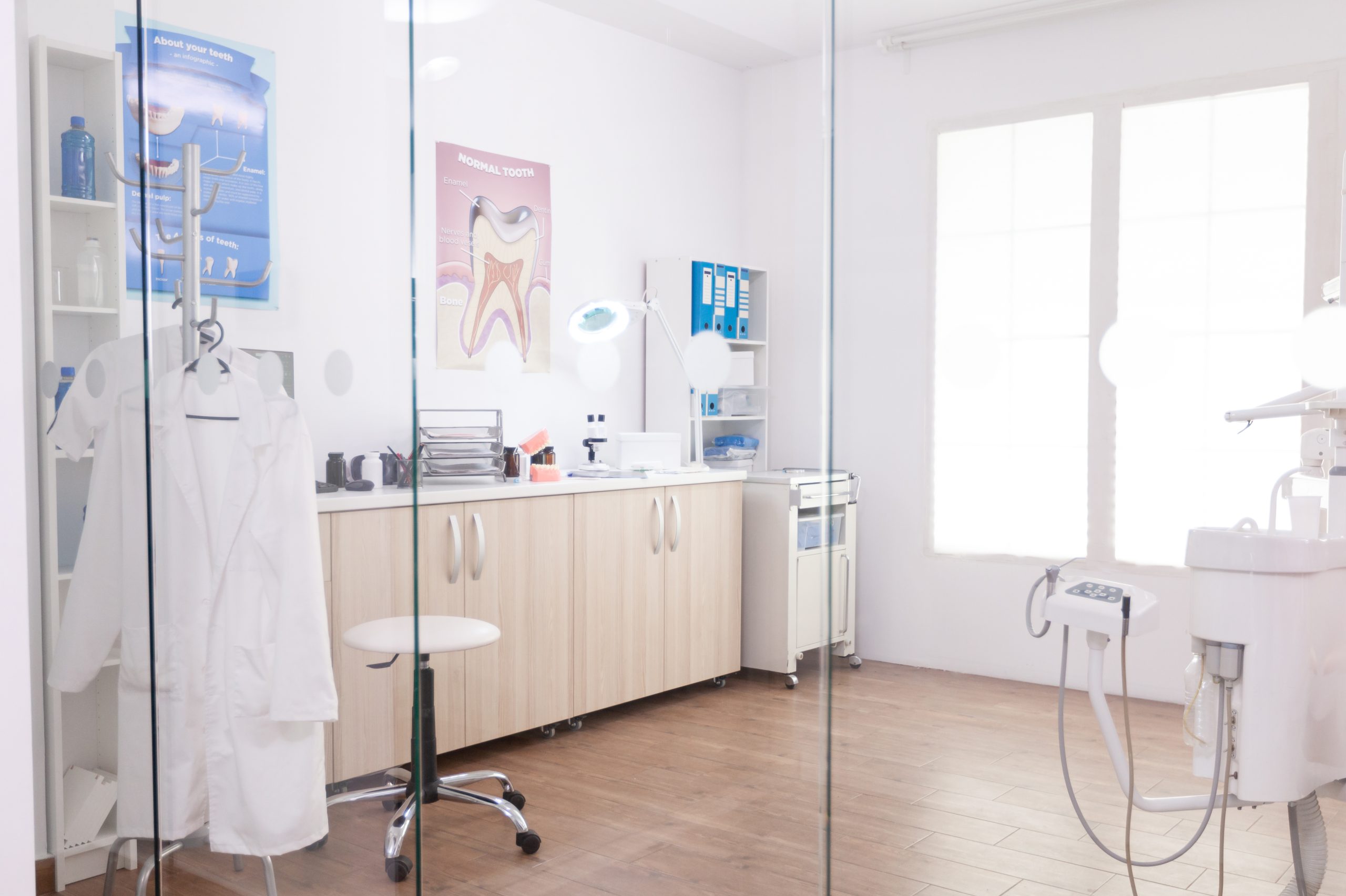
Maintaining a clean and safe dental practice requires daily disinfection using specialised cleaning agents such as bactericides, fungicides, virucides, or mycobactericidal products. Between patients, the room must be ventilated, medical waste removed, and the floor cleaned. The use of disinfectant spray allows even hard-to-reach areas to be treated effectively. Regular general cleaning is also necessary, including moving furniture and objects to ensure thorough disinfection of all surfaces.
The choice of disinfectant should match its intended application; options available on the market include immersion disinfectants, disinfectant solutions, and surface disinfectant sprays. By selecting the appropriate disinfectant, or combining different types, dental premises can be kept clean and safe for patients.
POOR HYGIENE IN THE DENTAL PRACTICE
An article titled "Poor Hygiene in Dental Surgeries" was published by Swabi in 2014. Dr Edworthy, who practised in Lympsham, failed to maintain adequate infection control standards on multiple occasions while working in the practice. Among other breaches, he allowed his cats to enter the surgery, used expired filling materials, and did not remove his gloves when touching items outside the sterile field — as described in the article's summary.
Dental practices must prioritise infection control to protect patients and comply with the standards set by the General Dental Council (GDC). Failure to implement appropriate measures can result in proceedings before the GDC. Dr Edworthy appeared before the GDC's Professional Conduct Committee due to inadequate infection control in his practice over a three-year period. The GDC's document "Standards for the Dental Team" was taken into account when assessing the misconduct.
As a result, Dr Edworthy's dental registration was made subject to 11 conditions for a period of nine months. Dental practices are overseen by the Care Quality Commission (CQC) to ensure compliance with infection control measures and other regulations, guaranteeing patient safety and quality of care.
Hygiene and infection control are of fundamental importance in clinical settings such as dental practices, to prevent unnecessary transmission of infection to patients. Regular inspection of dental professionals and the application of sanctions where necessary ensure that patient safety is not compromised.
Best Practice:
The dental sector places great emphasis on sterility and hygiene measures to prevent the spread of disease. Staff receive vaccinations against serious infections and undergo regular training in sterilisation and infection prevention. Every patient is required to complete a medical history questionnaire. During treatments, staff wear masks, gloves, and gowns, and instruments are cleaned and sterilised using specialist procedures. Hazardous waste is collected separately and managed appropriately. These measures are essential to protect both patients and healthcare staff, and to prevent the spread of infection.
BIONIKA places the highest priority on hygiene — the same commitment that shaped the development of our super-clean implants.
Stay our partner and let us advance implantology together!
Sources:
Fabiani L, Mosca G, Giuliani AR. Hygiene in dental practices. Eur J Paediatr Dent. 2006 Jun;7(2):93-7. PMID: 16842031.
Euronda. (2017). Hygiene and disinfection in the dental practice. [online] Available at: https://www.euronda.com/news/hygiene-and-disinfection-in-the-dental-practice/
Swaby, S. (2014). Poor hygiene in dental surgeries | Dental Negligence Team | Dental Negligence Team Blog. [online] Dental Negligence Team. Available at: https://www.dentalnegligenceteam.co.uk/blog/poor-hygiene-in-dental-surgeries/
Article information
- Author | Hajdú József
- Date | 2023.03.14.
- URL | www.bionika.hu