Peri-implantitis and Its Treatment
The most widely published topic in dental implantology
e-BIONIKA News
Reducing Errors, Improving Implantation
In the previous issue of e-BIONIKA News, we presented which topics attract the greatest attention in the scientific literature, and which country produces the most cited publications.
Based on this, peri-implantitis and its treatment receives outstanding attention compared to any other dental implant-related topic. As the number of dental implant placements has grown, the number of failed cases has also risen sharply.
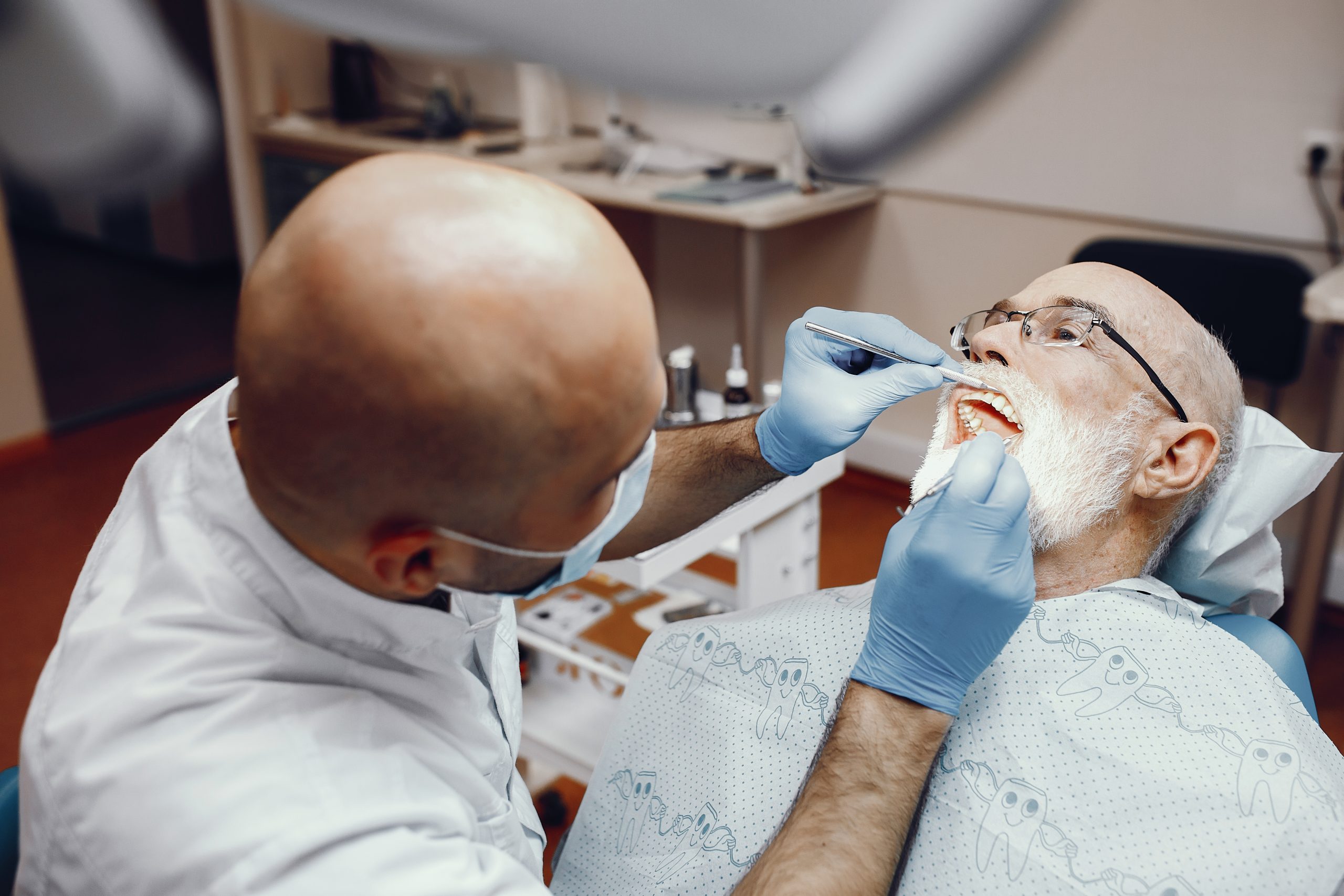
Between 1999 and 2000, the prevalence of placed implants was 0.7%, which rose to 5.7% between 2015 and 2016, and is estimated to reach 23% by 2026 (Elani et al., 2018). This positive outlook is expected to bring not only quantitative growth but also qualitative improvement — the first step of which is to reduce the likelihood of the most common complication.
Characteristics of Peri-implantitis
The term "peri-implantitis" as used in the scientific literature is technically imprecise, since it typically does not refer to inflammation of the implant itself, but rather to a process occurring in the surrounding tissues (as indicated by the prefix "peri-"). Inflammatory disease of the peri-implant tissues can be distinguished in two forms:
- Inflammation of the soft tissues surrounding the implant, similar to gingivitis around natural teeth
- Inflammation that has extended to the peri-implant bone tissue, resulting in its resorption.
Note:
The latter is termed peri-implantitis, while the former is referred to as peri-implant mucositis.
Development of Peri-implantitis
Its onset — and implant loss or damage — typically occurs shortly after placement, within approximately one month. This can be attributed to the following causes:
- Inadequate preparation of the implant site,
- Thermal damage to the implant,
- Insufficient primary stability,
- Premature loading of the implant.
Late-onset peri-implantitis (more than 1 month) is typically attributed to overloading and infection.
Signs of bacterial infection may include livid swelling of the soft tissue around the implant, bleeding on probing, and pocket formation in the peri-implant bone tissue. On radiographic examination, bacterial peri-implantitis produces a characteristic crater-like radiolucency adjacent to the implant, which may be visible on your images.
Treatment of Peri-implantitis
The scientific literature on this subject reflects considerable interest not only in the development and diagnosis of peri-implantitis, but also in its management, with numerous publications having been shared in recent years. There is no universally accepted gold-standard treatment method; however, several therapeutic options are available when this type of condition is encountered. It has been demonstrated in animal studies, however, that antibiotic treatment alone is insufficient for recovery.
The following criterion must be met without exception:
- The implant surface must be thoroughly decontaminated, as this is the prerequisite for osseous re-attachment to the implant surface.
Treatment Options
Conservative:
Closed curettage without flap elevation, involving the removal of granulation tissue, calculus, and plaque from the implant surface, combined with elimination of the inner, infected layer of the pocket epithelium.
Resective Surgical:
The goal of this approach is not to achieve full osseointegration along the entire implant length, but rather to establish a sufficiently stable, functional equilibrium in which the patient recovers through home oral hygiene and regular follow-up visits.
Regenerative Surgical:
In the regenerative surgical procedure, the primary objective is to achieve re-osseointegration. Various autogenous bone chips, bone substitute materials, and membranes are used to promote bone regeneration.
Since researchers have not yet been able to develop a universally accepted method applicable to all patients suffering from peri-implantitis, the number and nature of interventions can vary considerably.
If you have encountered a similar case, please send us a message about your solution! Let us be partners in improving implantation outcomes.
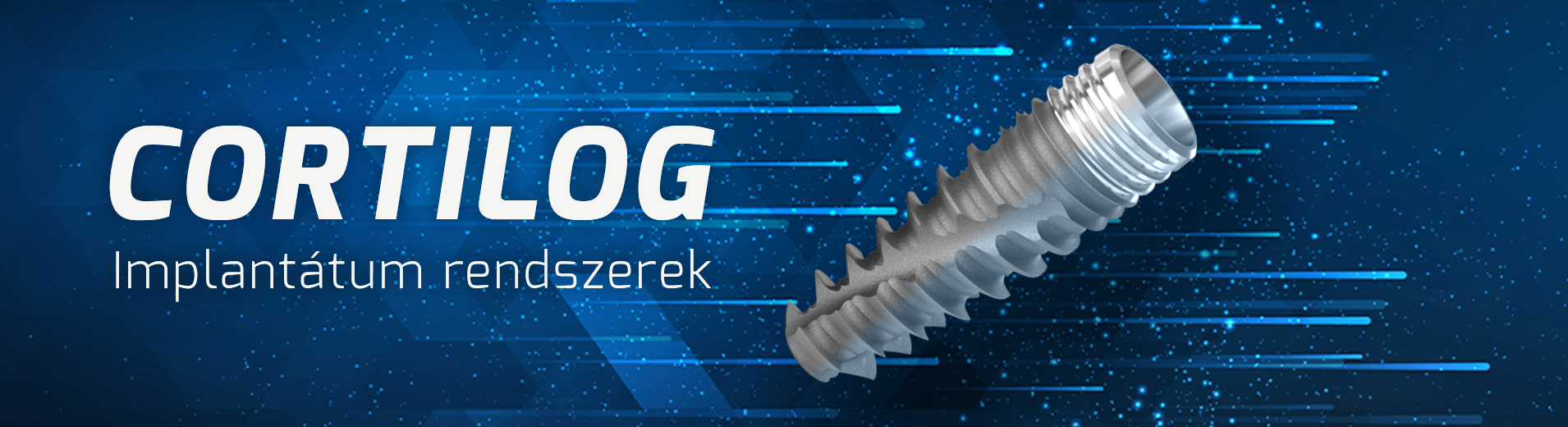
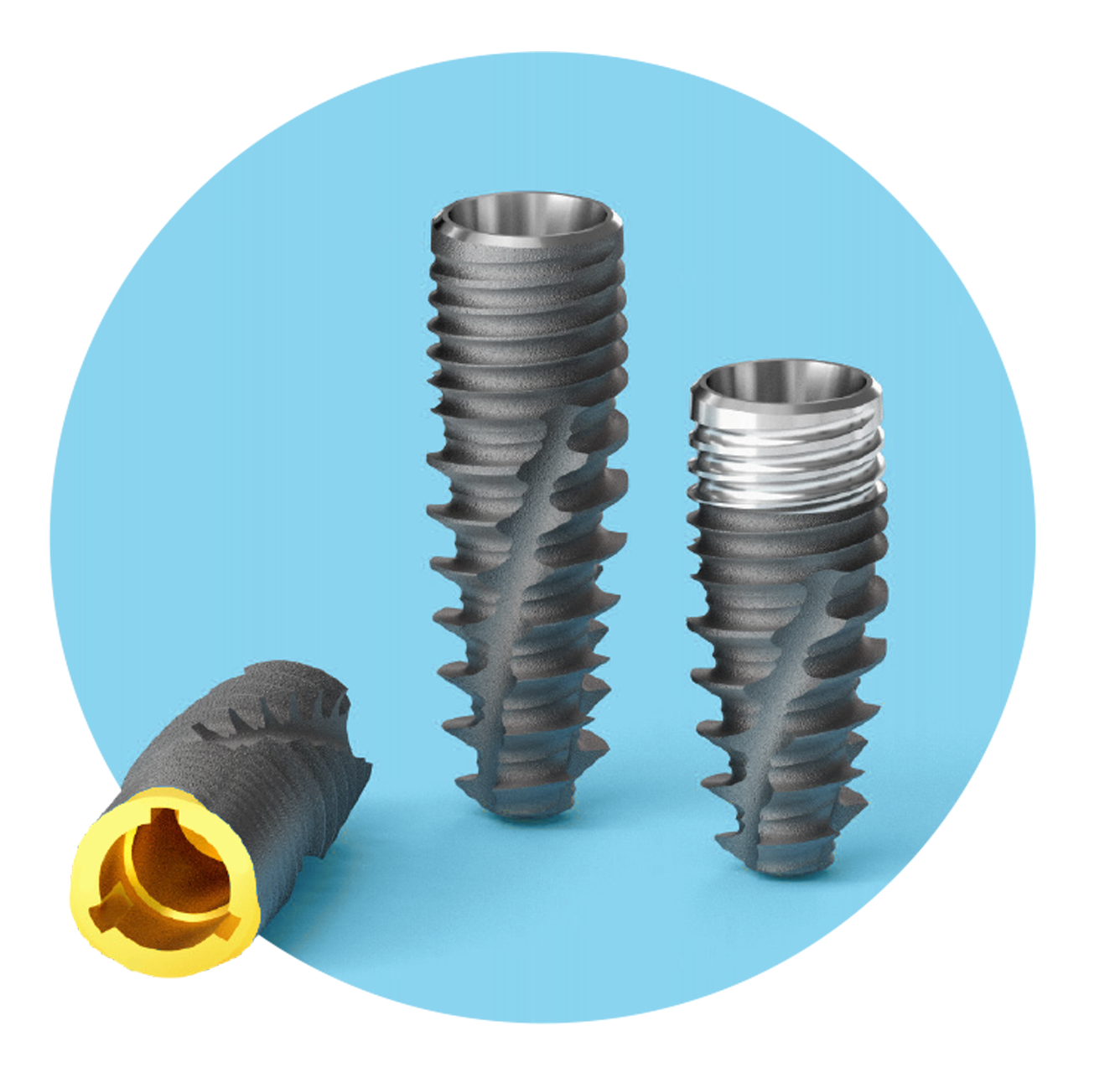
Our Cortilog implant system was developed as part of our innovation efforts specifically to reduce the likelihood of peri-implantitis and to facilitate surface decontamination. Bacteria responsible for the condition adhere less readily to the smooth surface. During cleaning, it is also possible to polish the implant intraorally.
PCL: Tube-in-Tube Connection
A tube-in-tube connection with a flat platform. The three-lobe geometry provides a precise, rotation-free connection.
CCL: Conical Connection
A conical connection that delivers micro-movement-free force transmission and provides favourable conditions for accurate impression-taking. Forces are superimposed deep within the interior of the implant.
ECL: Conical Connection, Tissue Level
The implant design is identical to the CCL type, but the sandblast-free, polished portion of the implant may also be placed within the soft tissue, making it ideal for patients with limited bone volume. Its use simplifies the surgical procedure, eliminating the need to expose deep-seated implants.
Sources:
- Elani HW, Starr JR, Da Silva JD, Gallucci GO. Trends in Dental Implant Use in the U.S., 1999-2016, and Projections to 2026. J Dent Res. 2018 Dec;97(13):1424-1430. doi: 10.1177/0022034518792567. Epub 2018 Aug 3. PMID: 30075090; PMCID: PMC6854267.
- Ericsson et al.: The effect of antimicrobial therapy on periimplantitis lesions. An experimental study in the dog. Clin Oral Implants Res, 1996 Dec, 7(4), 320–8.
- Romeo et al.: Therapy of periimplantitis with resective surgery. A 3-year clinical trial on rough screw-shaped oral implants. Part II: radiographic outcome. Clin Oral Implants Res, 2007 Apr, 18(2), 179–87.
- Dörtburak et al.: Lethal photosensitization for decontamination of implant surfaces in the treatment of periimplantitis. Clin Oral Impl Res, 12, 2001, 104–108.
Article information
- Author | Hajdú József
- Date | 2022.08.20.
- URL | www.bionika.hu