Quality Above All!
Or why it matters to buy from a manufacturer that holds the right certifications?
e-BIONIKA News
Medical device manufacturers are required to comply with numerous healthcare requirements, product-quality standards, and legal regulations. Let us recall 29 March 2010, when the French health authority withdrew the marketing authorisation for PIP breast implants and recalled all implants manufactured after 2001 that had not yet been implanted — from every country in the world, including Hungary. Investigations by the health authority proved that the company Poly Implant Prothèse had not used the silicone that had been pre-approved and specified for filling the implants. The poor-quality implants led to gel leakage and, in more severe cases, to rupture, which patients experienced as inflammatory pain.

CE Marking in Today's Medical Device Industry
Today, every medical device placed on the Hungarian market must bear the CE mark in order to be marketed and used. A legitimate question arises: how can one identify manufacturers that do not hold the required authorisation? A tell-tale sign is the absence of conformity marks on product packaging, or the use of a non-standard CE marking. Another warning signal is when a manufacturer's website contains no reference to the maintenance of a quality management system or to product certification. Unfortunately, even today, manufacturers can be found on both the domestic and international dental implant markets that do not place sufficient emphasis on quality and product safety. These companies hold no certifications and therefore place products of uncontrolled quality onto the market. Medical devices manufactured and packaged under inadequate conditions can lead to serious complications. To prevent such cases, the European Commission deemed it timely to modernise the legislation governing the medical device sector.
In order to protect the health of patients and users, the European Parliament and the Council adopted on 5 April 2017 the (EU) 2017/745 MDR Regulation (Medical Devices Regulation), which sets far stricter requirements for medical device manufacturers than the previous framework. Being a regulation, these rules apply uniformly to all EU Member States, thereby creating a harmonised legal environment that guarantees the safety and performance of medical devices.
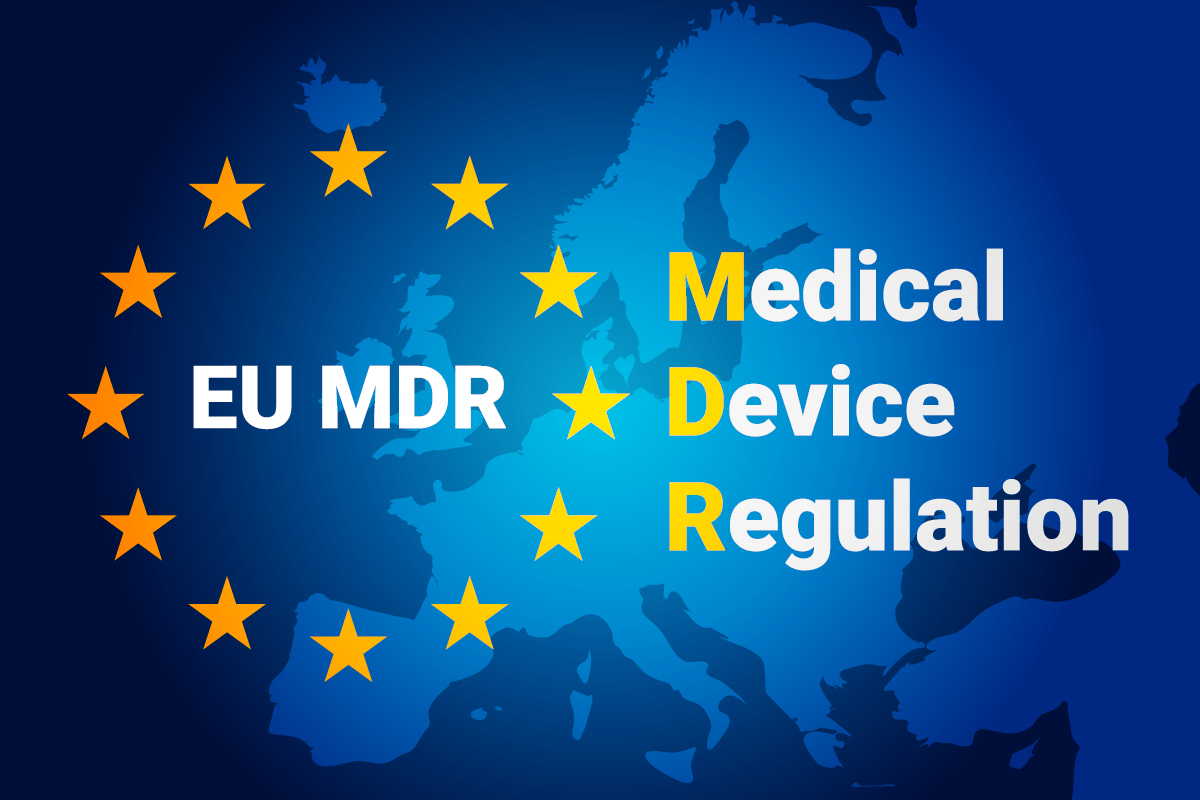
The Challenges of the MDR Transition
The challenges of the MDR transition stem primarily from the fact that even if a medical device was previously on the market under the old MDD (Medical Devices Directive), all MDR requirements still apply to it. This means that manufacturers must, in practice, re-run the relevant conformity assessment procedure for every device and fully redevelop their entire quality management system and the associated documentation. A further challenge is that the guidance documents for interpreting the MDR are not yet finalised, and notified bodies are not always fully prepared either. The introduction of the MDR has a significant impact on manufacturers, since achieving compliance requires specialist expertise and financial investment. To ensure conformity, manufacturers must provide an adequate quantity and quality of clinical data. One method of collecting clinical data is the conduct of clinical investigations, which serve to evaluate the safety or performance of medical devices. These investigations must be carried out in accordance with the clinical investigation plan specified under MDR requirements (statistically determined case numbers, controlled interventions, qualified investigators, regular follow-up). In the future, in addition to clinical investigations, medical device manufacturers will need to fulfil a number of further obligations.
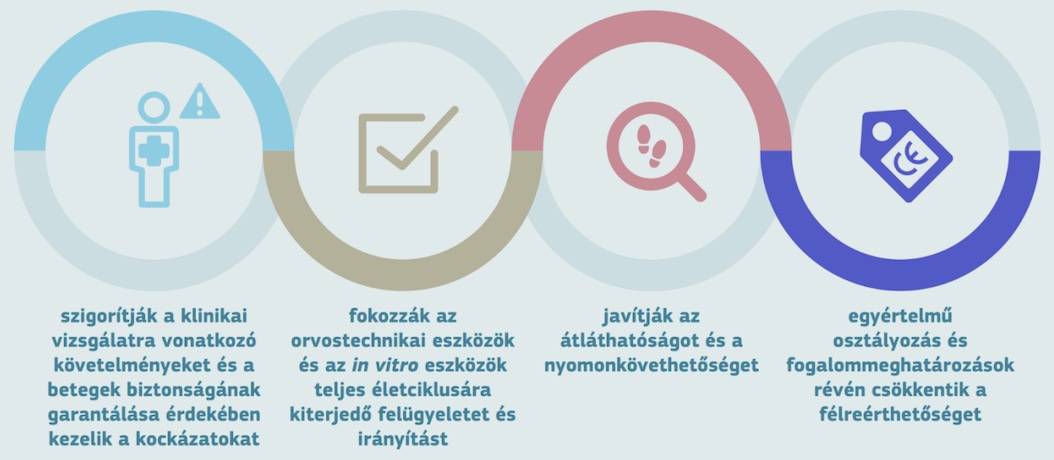
The Key Steps of the MDR Transition in Brief:
1. Incorporating MDR requirements into the existing quality management system — and, in the case of micro-enterprises in particular, establishing an appropriate quality management system.
2. Confirming the product's classification as a medical device.
3. Re-classifying the device into the appropriate risk class.
4. Demonstrating conformity with the general requirements set out in Annex I of the MDR.
5. Preparing a clinical evaluation and, where necessary, conducting clinical investigations to generate a sufficient level of clinical evidence.
6. Preparing and updating the instructions for use, packaging, and labelling.
7. Compiling the technical documentation.
8. Securing financial coverage (liability insurance).
9. Assigning a Unique Device Identifier (UDI) to each medical device and indicating these identifiers on the product label and packaging.
10. Issuing an EU Declaration of Conformity.
11. Designating the person responsible for regulatory compliance.
12. Involving a notified body and obtaining certification, depending on the risk class.
13. Registering the device and the manufacturer in the so-called EUDAMED system.
14. Implementing and maintaining a post-market surveillance system.
Manufacturers certainly have no easy task: as the steps required for the transition illustrate, the workload involved is considerable. Nevertheless, legislators expect significant results from the introduction of the MDR Regulation.
The Objectives of the MDR and Its Future Impact
The main objectives of the MDR are aligned with the long-term, shared goals of the government and domestic healthcare industry stakeholders. At the same time, it is clear that the application of the MDR will have significant market and supply-chain implications: in the future, manufacturing and market-entry costs will increase, product innovation processes will slow down, and in some product categories, supply disruptions may even occur. Experience suggests that renewing the clinical evaluation and conducting the associated clinical investigations will represent the greatest burden for manufacturers. However, the introduction of the MDR Regulation also brings a number of positive effects for the future. Thanks to the uniform, legally binding regulation, it will be easier for manufacturers to enter foreign EU markets. At the same time, the number of non-EU manufacturers is expected to decline on the EU market. As a result of the stricter requirements, adverse events will be reduced and, it is anticipated, poor-quality counterfeits will also be driven out of the market. Meeting the MDR requirements will likely make products more expensive; however, the market will feature safer, more effective, and higher-quality products.
How Can You Avoid the Risk?
Do not rely solely on your own experience! When dealing with an unfamiliar manufacturer, always request a CE certificate before making any purchase — this will protect you from legal liability and financial loss.
At BIONIKA, You Can Purchase Exclusively Authorised, Reliable Products
Sparing neither time nor financial investment, BIONIKA operates a dedicated quality management team to ensure that its products comply with every applicable requirement. The quality of our products is guaranteed by design, manufacturing, and quality management carried out in accordance with harmonised European Union legislation. BIONIKA Medline Kft. operates in accordance with the MSZ EN ISO 9001 and MSZ EN ISO 13485 quality management standards. The products we develop, manufacture, and distribute bear the CE mark, certified by QT-Cert Kft. and the National Medical Device Conformity Assessment and Certification Organisation (NEOEMKI) — bodies that are independent of and impartial towards medical device manufacturers, distributors, and users. BIONIKA provides a long-term guarantee on its products. We offer a 10-year replacement warranty on the implants we manufacture, meaning that in the event of a material defect, we replace them free of charge. In addition, BIONIKA is committed to compliance with the MDR Regulation governing medical devices.
Article information
- Author | Hajdú József
- Date | 2023.06.18.
- URL | www.bionika.hu
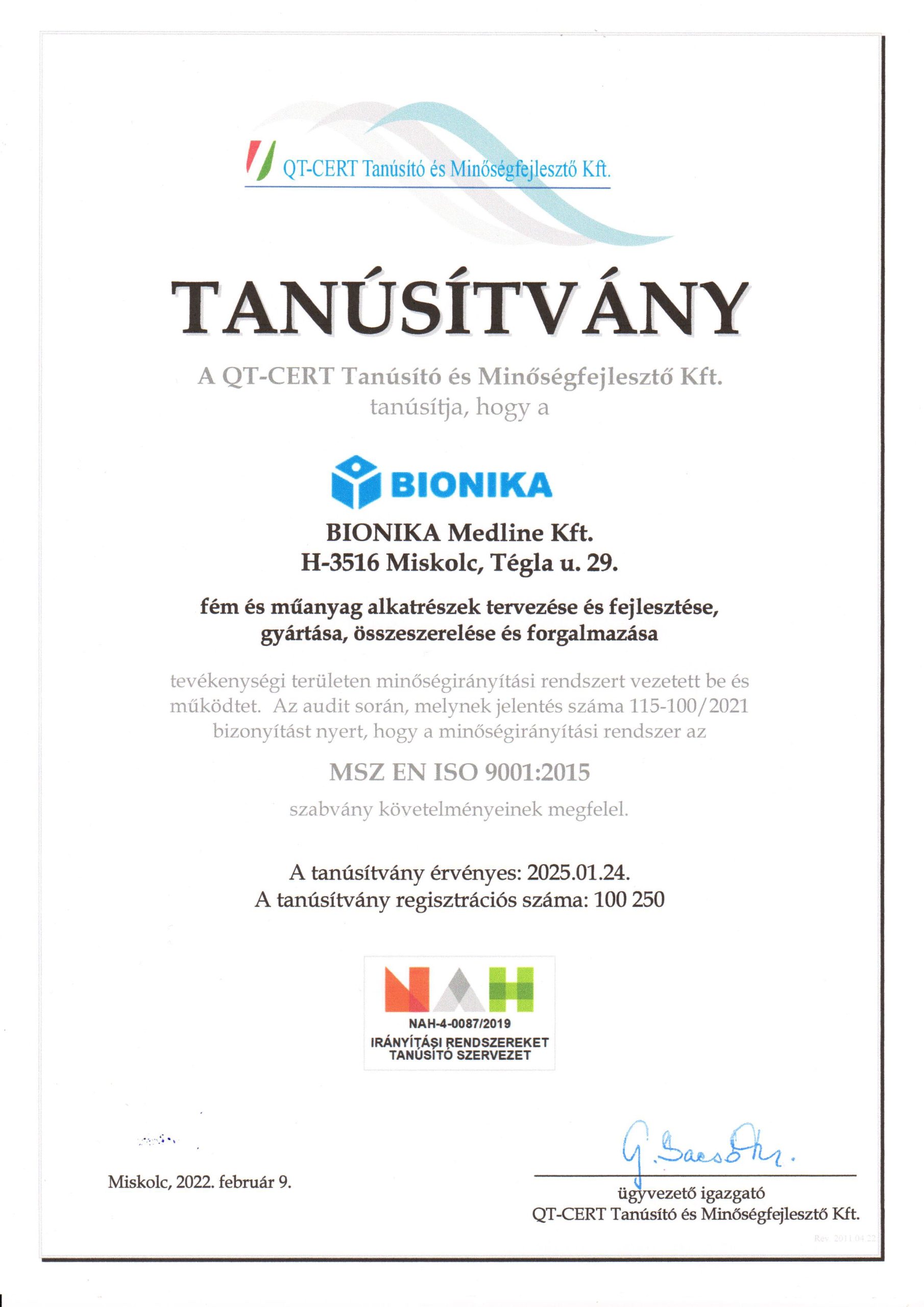
MSZ EN ISO 9001:2015
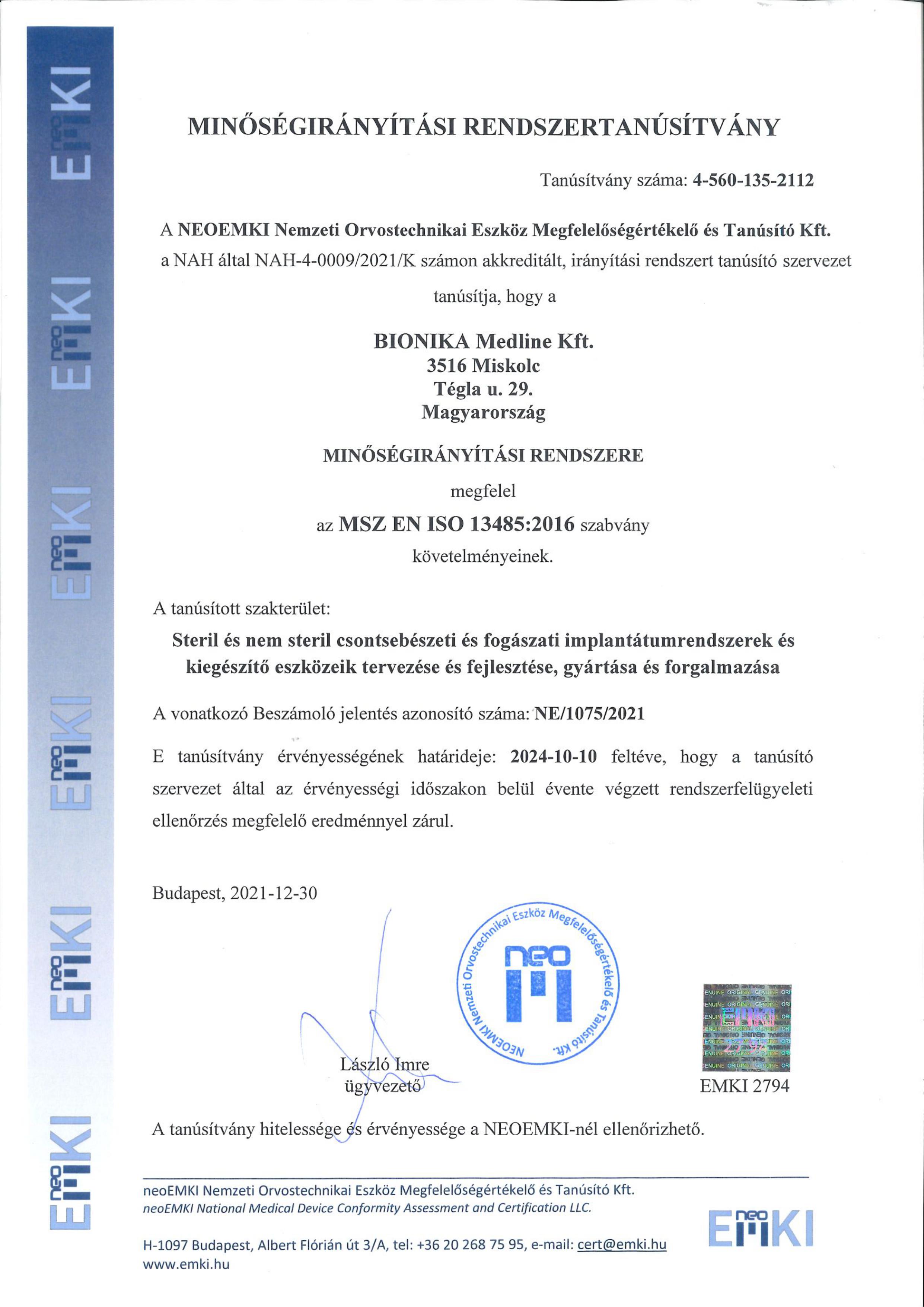
MSZ EN ISO 13485:2016
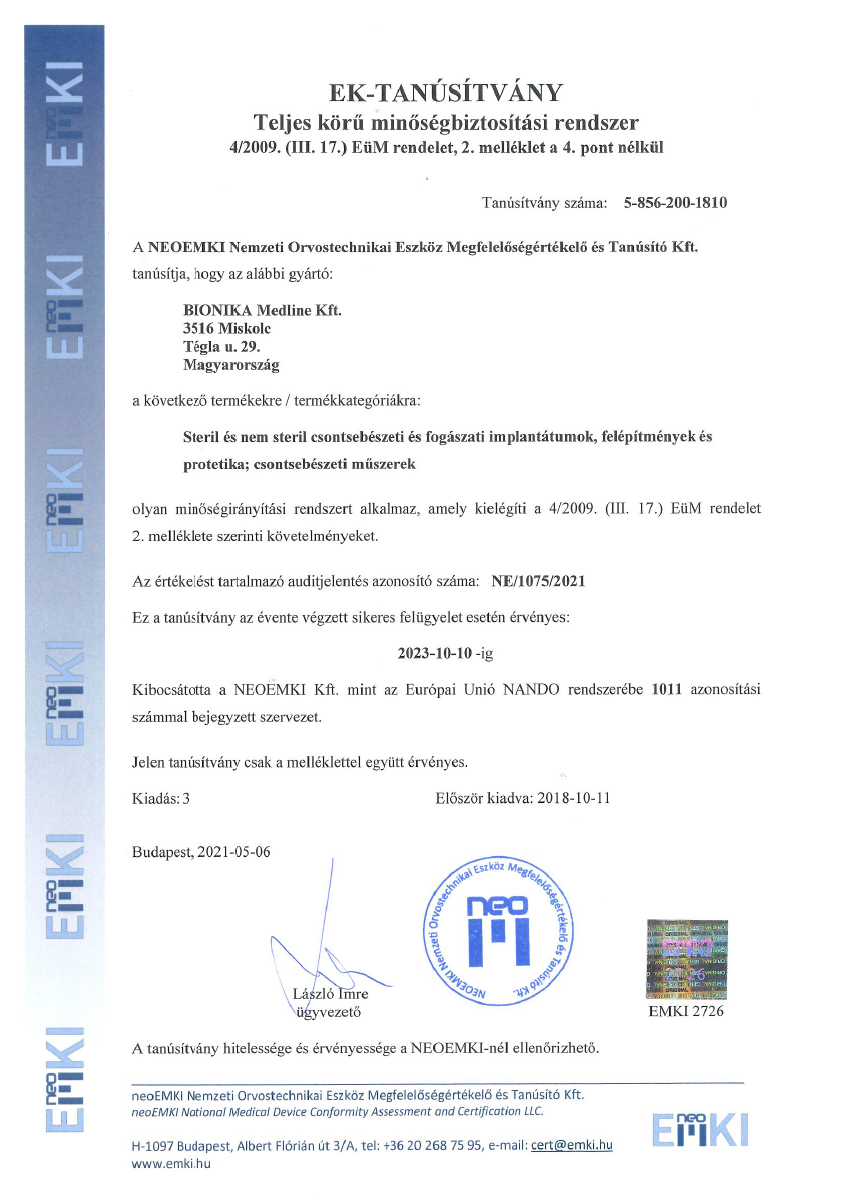
CE certificate
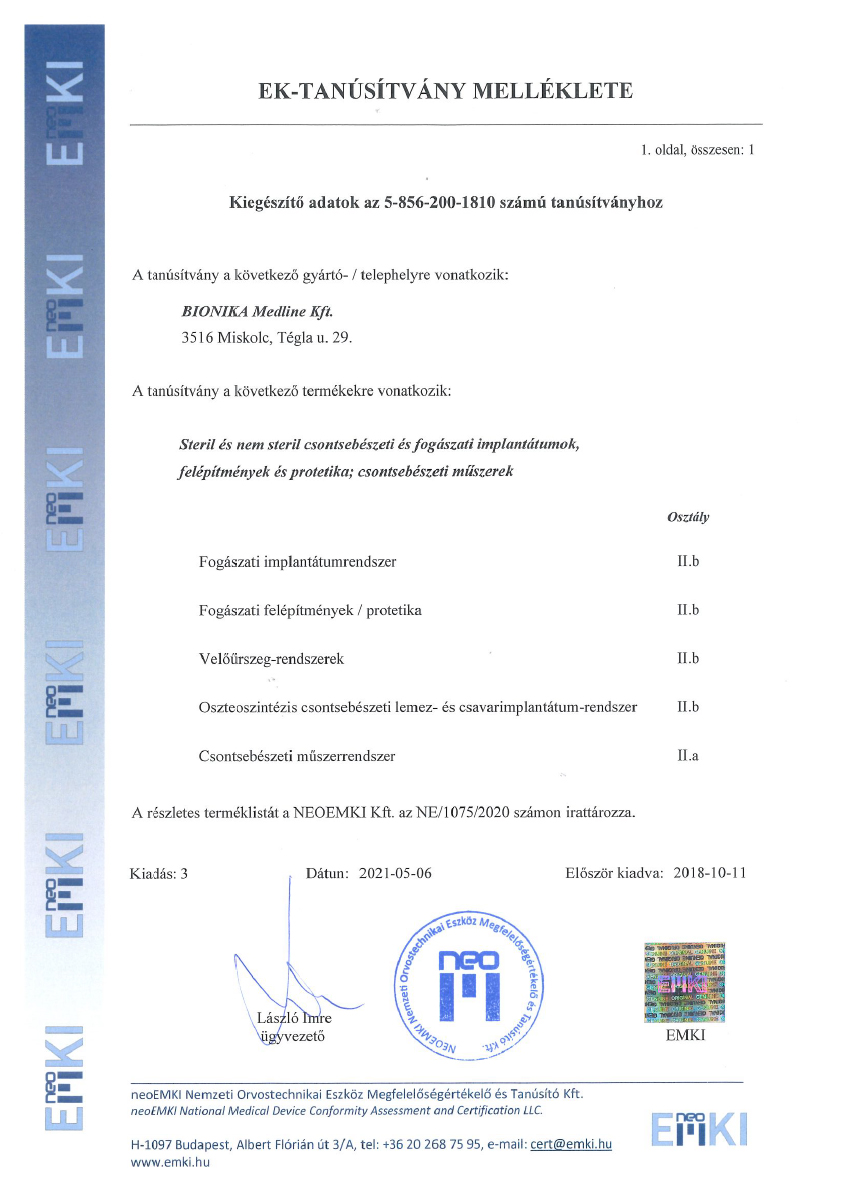
CE certificate annex